What art auction companies and galleries are there in Taiwan?
Art auctions and galleries in Taiwan are mostly concentrated in Taipei, with others in Taichung, Tainan, Kaohsiung, and elsewhere. This site lists neutral public information about galleries and art auction services by region. The value of artwork is highly case-specific with low liquidity: the primary market is dominated by galleries and art fairs with relatively fixed prices, while the secondary market is dominated by auctions with public bidding. Before purchasing, understand provenance, authenticity, and fee structures. This page does not constitute investment advice.
Three things to know before buying artwork: provenance, authenticity, condition
Artwork value is highly case-specific. Before buying, confirm three things: ① Provenance—the record of ownership and exhibition history, which greatly reduces authenticity disputes; ② Authenticity—verified by the artist/foundation, academic experts, or scientific testing (pigments, paper age); ③ Condition—whether restored, damaged by moisture or insects, as condition directly affects value. It is recommended to obtain written records for all three, including exhibition and publication records.
Galleries, art fairs, and auction houses: channel differences
The primary market, dominated by galleries and art fairs, usually involves artist representation or first sales with relatively fixed prices, and provides provenance information and after-sales service. The secondary market, dominated by auctions, uses public bidding with prices determined on the spot, offering transparent but volatile pricing. New collectors often start by building relationships and expertise through galleries and art fairs before considering auctions. Regardless of the channel, confirming provenance and authenticity is essential.
Fee structure at auctions: how commissions and taxes are calculated
The auction transaction price is not just the hammer price. Buyers typically pay a buyer's premium on top of the hammer price (rates vary by auction house, often a percentage of the hammer price, possibly tiered), and some items incur additional taxes. Sellers have seller's commissions and costs for cataloging, insurance, etc., deducted from the sale proceeds. Before bidding, review the auction house's terms and fee schedule, and include total costs in your budget to avoid exceeding your limit.
FAQ
What to pay attention to when collecting artwork?
Generally, confirm provenance, authenticity, and condition, and keep transaction and exhibition records. Works with clear provenance and complete records are easier to resell and authenticate later.
How to participate in an auction and what fees are involved?
Typically, register in advance to obtain a paddle. If you win, you generally pay a buyer's premium in addition to the hammer price. Rules and rates vary by auction house; refer to official announcements. Factor commissions and taxes into total costs before bidding.
What is the difference between a gallery and an auction house?
Galleries mainly handle primary sales or consignments with relatively fixed prices and provide provenance information. Auction houses use bidding with prices determined on the spot, offering transparency but volatility. For both, confirming provenance and authenticity is recommended.
What mainly affects the price of artwork?
Mainly the artist's market status and academic reputation, rarity and period of the work, size and medium, provenance and exhibition record, and condition. Works by the same artist from different periods or series can vary greatly in value. This page provides neutral information, not investment advice.
What is the difference in value between a print and an original?
An original is a unique work created by the artist. A print is a limited edition reproduction (e.g., 3/50), usually numbered and signed. Originals generally have higher value, while prints with lower edition numbers, good condition, and artist signatures are more sought after. Before purchasing, verify the edition number, printing workshop, and provenance.
How to preserve and insure artwork?
Two-dimensional works should be protected from direct UV light, with controlled temperature and humidity, and avoid smoke. Paper works should be mounted with acid-free materials. High-value works can be insured under a comprehensive movable property (fine art) policy, which typically requires appraisal and photographic documentation before coverage. Use professional packing and handling for display and transport.
Art(8)
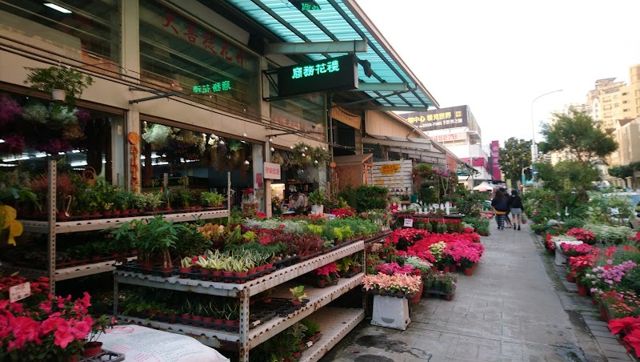
台中花市&花卉拍賣市場
408臺中市南屯區三厝里永春東七路809號
大中海關拍賣場
204基隆市安樂區內寮里武訓街100號
跳蚤本舖竹南店
350苗栗縣竹南鎮正南里中正路169號月光小棧 / 女妖在說畫藝廊暨咖啡屋/Moonlight Inn/The Other Woman Gallery w. Coffee Shop
959臺東縣東河鄉46 鄰20 號新竹市鐵道藝術村(展覽空間,場地租借,駐村藝術家)
300新竹市東區東園里花園街64號百生枋寮藝術村
940屏東縣枋寮鄉枋寮村儲運路6巷2號台灣好基金會x池上穀倉藝術館
958臺東縣池上鄉福原村中西三路6號